/Avatar-MainMark-FullColor-400px.png)


When you manage a fleet of buses or motorcoaches, speed isn’t just a number on a dial. It’s one of the greatest risks your operation faces.
Excessive speeding increases risk of accidents, your company’s liability, and exposure to fines and fees. Worse yet, it increases the chance of a serious or fatal accident. Make no mistake about it. When your drivers speed, it puts their lives and the lives of others at risk.
If you want to protect your passengers, your drivers, and your bottom line, you need to focus on speed management in your training program.

The Risks of Speeding in Your Industry
Regardless of the vehicle type, speeding is dangerous. It puts you at risk of accidents from failing to stop in time. It also puts you at risk of losing control of the vehicle. However, your drivers are at increased risk due to the types of vehicles they drive.
Speed Management & Braking Distance
The biggest reason speeding puts you at risk of accidents is because of braking distance. Braking distance is how far the vehicle moves once your foot is on the brake. Braking distance is increased by two things: speed and weight.
The heavier a vehicle is, and the faster it’s moving, the longer it takes to stop. In other words, busses don’t stop on a dime.
Reaction Time
Another risk from speeding is reaction time. When a bus is going too fast, the driver has less time to react to hazards. If a car cuts your driver off, there’s debris in the road up ahead, or a pedestrian suddenly runs out into the road, your driver won’t be able to stop in time if they’re not going a safe speed.
Increased Crash Force
High-speed collisions are more likely to lead to severe injuries or death than low-speed collisions are. That’s because speeding increases crash force disproportionately. In other words, increasing your speed by a small margin increases the crash force by a large margin.
As this article from the Insurance Institute for Highway Safety points out, a 50% increase of speed actually leads to a 125% increase in crash force.
To put it into context, if your driver were to get into an accident at 60 miles per hour versus 40 miles per hour, the additional 20 miles per hour could be the difference between people living and people dying.

Beyond The Accidents
Speeding greatly increases physical danger for the people involve, but there doesn’t have to be an accident for speeding to cause you issues.
When your drivers speed, it negatively impacts you in two big ways:
- Increased insurance costs. Fines related to speeding tells your insurance provider that you are an at-risk carrier. They’ll increase your rates because they’re predicting a big loss from you.
- Regulatory pressure. When you have fines related to speeding, you’ll feel the heat from organizations like the FMCSA. Excessive fines can lead to out-of-service orders, increased scrutiny, and damage to your safety rating. In other words: headaches for you.
You need to treat any speed infraction as a serious issue. It’s not just a broken rule. It’s a warning that a driver might cause a serious accident soon.
How to Reduce Speeding at Your Operation
You’re equipped with the knowledge of how dangerous speeding is. In fact, you may have been entirely aware of everything we shared above. The problem is that your drivers are the ones behind the wheel, not you. So how do you influence them to drive at a safe speed?
Here are proven methods that our best-in-class use to reduce the risk of speeding events at their operation.
- Set clear speed policies. Define a company standard on speeding. It needs to be simple and consistent. For example, we recommend your drivers always drive below the posted limit (including reduced speed limits on curves). When you hire someone, make sure they are away of this policy. Set up consequences for failing to drive a safe speed as well as rewards and recognition for safe miles driven.
- Monitor speed events. We highly recommend you use telematics, GPS tracking, or onboard monitoring to log speeding events. When you see that someone went above the speed limit, don’t delay. Talk to them as soon as possible. The time to intervene is BEFORE an accident happens, not after.
- Train your drivers. You need to educate and train your drivers on why maintaining a safe speed is important. You can do this via presentations, videos, and informal conversations. This training should take place as new-hire training, refresher training, and remedial training when someone makes a mistake.
If you’re looking for a plug-and-play solution that is guaranteed to provide results, check out The Bus Safety Course. It’s online training that is high-quality, easy to implement, and actually enjoyable to watch. You can try it for free at this link.
Act Before The Accident
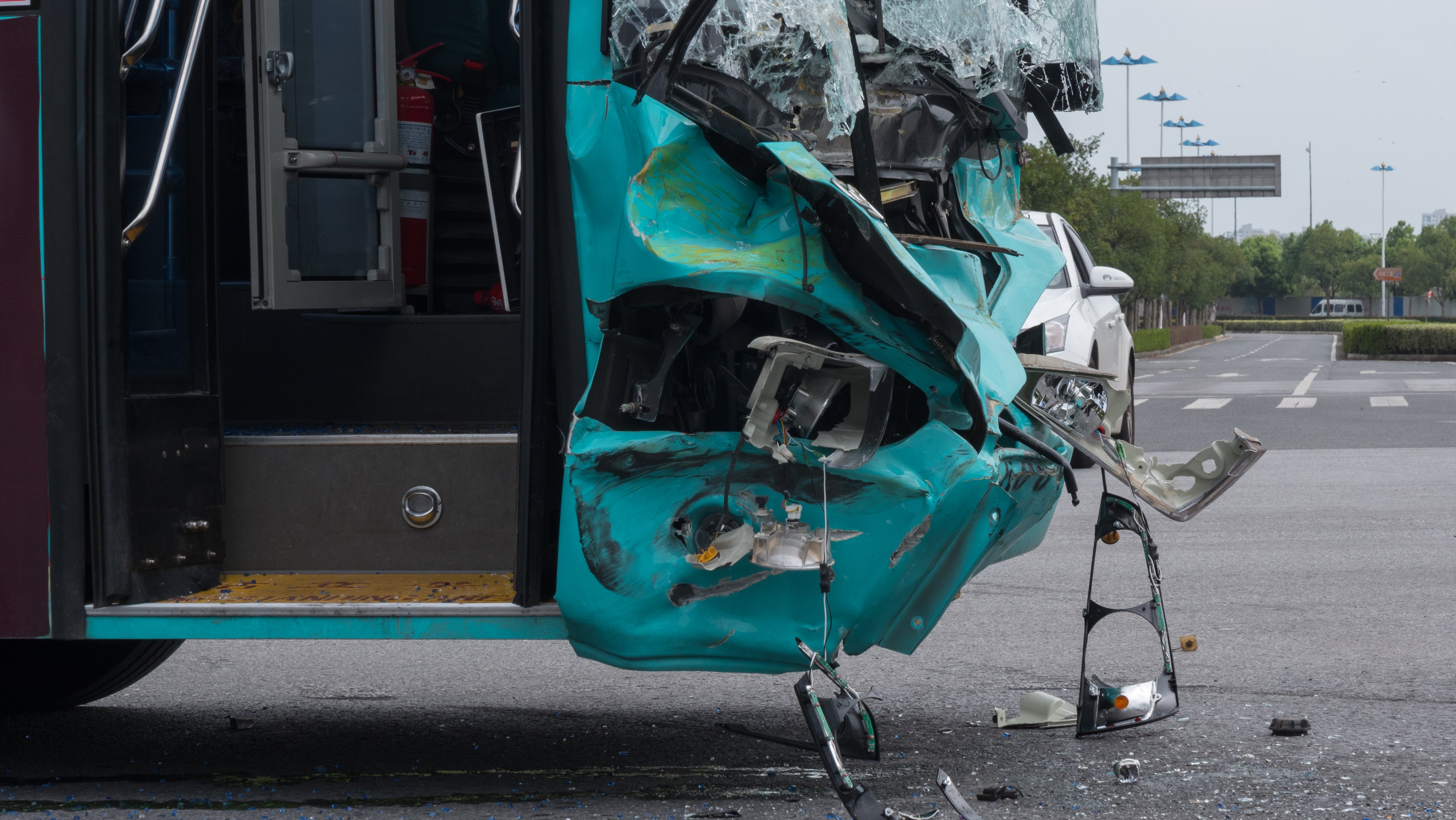
Speeding is not as simple as breaking a rule. It’s a completely unnecessary risk that your drivers may be taking. It puts their lives, the lives of passengers, and lives of the motoring public at risk. You need to act now before the worst happens.
Implement a clear and consistent speeding policy throughout your company. Investigate driver monitoring equipment to see when someone speeds. Implement a proven training program like The Bus Safety Course to teach your drivers how to reduce their risk and prevent accidents.
If you put in the effort proactively, you’ll save yourself time and money by preventing accidents. More importantly, you might save a life.
Get the latest articles on all things transportation delivered straight to your inbox.
Schedule a live demo
Share:


Categories
